Introduction
If you’re excited to start growing cannabis, there’s one moment that feels almost magical—watching your seeds crack open and come to life. Germination is the first step in your plant’s journey, and while it might look simple, doing it correctly can make a huge difference in your overall success. The good news? With the right method and environment, you can achieve a near-perfect germination rate every time.
Let’s walk through proven techniques, common mistakes, and smart grower tips so you can start your cannabis grow strong from day one.
Why Proper Germination Matters
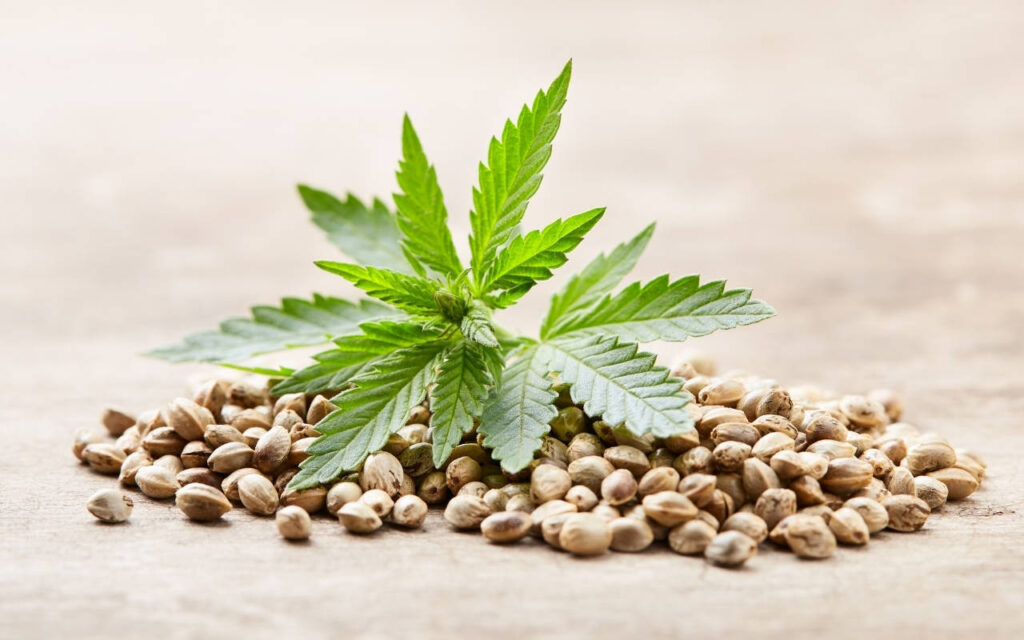
Germination is more than just the first step in the cannabis grow cycle—it’s the stage that determines how strong, resilient, and productive your plants will ultimately become. When seeds sprout well, they produce sturdy seedlings capable of developing robust root systems, healthier foliage, and better stress tolerance. This strong start naturally sets the stage for higher yields and a smoother growth journey overall.
On the other hand, poor germination or weak early growth can hold your entire crop back. Seeds that don’t receive enough moisture, warmth, or stability during this initial stage may sprout late, grow unevenly, or fail to survive altogether. That means wasted seeds, lost time, and lower harvest potential.
By carefully controlling moisture, temperature, and light during germination, you give your cannabis seeds the ideal environment to awaken and thrive. A little attention here pays off significantly later, helping you establish a solid foundation for a successful grow from start to finish.
What Seeds Need to Germinate
Cannabis seeds only require a few basic elements to wake up and sprout:
- Moisture: Softens the seed shell and activates growth
- Warmth: Mimics spring-like conditions
- Darkness: Seeds naturally sprout underground
- Oxygen: Ensures healthy root development
Get these four right, and your seeds will almost always respond positively.
Method 1: The Classic Paper Towel Method (Most Popular)
This is the go-to method for beginners and experienced growers because it’s simple, cheap, and very reliable.
What You Need
- 2 paper towels
- A plate or plastic container
- Clean water
- Cannabis seeds
Steps
- Moisten the paper towels
They should be damp, not soaked. Water dripping out = too wet. - Place the seeds on the towel
Leave a little space between each seed. - Cover them with the second damp towel
This keeps moisture locked in. - Put everything on a plate and cover with another plate
This keeps the environment dark and humid. - Store in a warm spot (22–26°C / 72–79°F)
Avoid direct sunlight, but keep things warm and cozy. - Check daily
Look for roots (taproots) emerging. Keep towels moist—not soggy.
When They’re Ready
Once the taproot is 0.5–1 cm long, your seedlings are ready for transplanting into soil or your preferred medium.
Method 2: Soaking in Water (Fast Activation)
This method hydrates seeds quickly and is especially useful for older or harder seeds.
How to Do It:
- Fill a glass with room-temperature water.
- Drop the seeds in—they may float at first.
- Let them sit for 12–24 hours.
- When they sink or crack open slightly, they’re ready for soil or the paper towel method.
Important: Don’t soak for more than 48 hours, or seeds may drown.
Method 3: Direct Planting in Soil (Most Natural)
If you prefer a hands-off, nature-inspired method, plant the seeds directly.
Steps:
- Prepare small pots with light, airy soil.
- Create a 1 cm (½ inch) deep hole.
- Place the seed and gently cover it with soil.
- Water lightly—don’t flood the pot.
- Keep the soil warm, moist, and in low light.
Pro tip: This method avoids transplant shock because the taproot never gets exposed.
Common Germination Mistakes to Avoid
Even though germination is simple, small errors can ruin viability. Watch out for:
1. Overwatering
Too much water suffocates seeds. Damp, not soaked, is the rule.
2. Handling taproots
They are extremely fragile. If using the paper towel method, use tweezers carefully.
3. Temperature swings
Cold slows germination; heat dries out towels or soil.
4. Old or low-quality seeds
Poor genetics = poor results. Always buy from reputable seed banks.
5. Planting too deep
Seeds struggle to push through heavy layers of soil.
6. Touching seeds with dirty hands
Contamination can stunt or kill sprouts.
How Long Should Germination Take?
- Healthy fresh seeds: 24–72 hours
- Older or tougher seeds: up to 7 days
- If nothing happens after 10 days: the seed may be non-viable
Cannabis seeds are living organisms, so timing varies—but patience is key.
How to Transplant Germinated Seeds Safely
Once your taproot appears, it’s time to move your sprouts.
Here’s the smoothest way to do it:
- Prepare your pot with pre-moistened soil.
- Create a small hole about 0.5–1 cm deep.
- Use clean tweezers to gently lift the seedling.
- Place it root-down and shell-up.
- Cover lightly—don’t bury too deep.
- Mist the soil to settle it.
Within a few days, your seedling should break the surface and begin growing its first set of true leaves.
Bonus Tips for 100% Success
- Use distilled or RO water for best purity.
- Maintain warm, stable temperatures.
- Store unused seeds in a cool, dry, dark place.
- Avoid fertilizers in early soil—seedlings don’t need them.
- Label different strains to avoid confusion later.
Also Read: Feminized vs. Regular vs. Autoflower Seeds: Which Is Right for You?
Final Thoughts
Once you understand what cannabis seeds need—moisture, warmth, darkness, and air—successful germination becomes easy and repeatable. Whether you choose paper towels, soaking, or direct planting, consistency matters more than anything else.
Start strong, be patient, and treat each seed with care. The reward is a vigorous young plant ready to thrive throughout its entire grow cycle.