Introduction
Understanding how cannabis works in the body goes beyond simply knowing the difference between THC and CBD. One of the most important—and often overlooked—concepts is bioavailability. This term refers to how much of a substance actually enters your bloodstream and produces an active effect after consumption. When it comes to cannabis, bioavailability varies significantly depending on how you use it.
Choosing the right consumption method can make a major difference in how quickly you feel the effects, how long they last, and how efficiently your body absorbs cannabinoids. Whether you are using cannabis for wellness, relaxation, or medical reasons, understanding bioavailability can help you make smarter, more effective choices.
What Is Bioavailability in Cannabis?
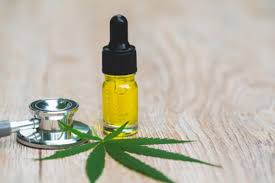
Bioavailability refers to the percentage of cannabinoids—such as THC or CBD—that successfully enter your bloodstream after consumption. Not all of what you consume is absorbed by the body. Some of it is lost during digestion, metabolism, or combustion, depending on the method used.
For example, when cannabis is smoked, a portion of cannabinoids is destroyed by heat. When it is eaten, it must pass through the digestive system and liver before entering circulation, which reduces the amount that becomes active.
This is why two people consuming the same amount of cannabis in different ways may experience very different effects.
Why Bioavailability Matters
Bioavailability directly affects three key aspects of your cannabis experience:
1. Onset Time
How quickly you feel the effects after consumption.
2. Intensity
How strong the effects are based on how much is absorbed.
3. Duration
How long the effects last in your system.
By understanding these factors, you can choose a consumption method that aligns with your needs—whether you want fast relief, long-lasting effects, or controlled dosing.
Smoking Cannabis: Fast but Less Efficient
Smoking is one of the most traditional and widely used cannabis consumption methods. It involves inhaling smoke from a joint, pipe, or bong.
Bioavailability: Approximately 10%–25%
Onset Time: Within minutes
Duration: 2–4 hours
When cannabis is smoked, cannabinoids enter the lungs and quickly pass into the bloodstream. This results in rapid onset, making it a popular choice for those seeking immediate effects.
However, combustion destroys a portion of cannabinoids, reducing overall efficiency. Additionally, smoking may not be suitable for individuals concerned about respiratory health.
Vaping Cannabis: A More Efficient Alternative
Vaping heats cannabis at a lower temperature than smoking, releasing cannabinoids in vapor form without burning the plant material.
Bioavailability: Approximately 30%–50%
Onset Time: Within minutes
Duration: 2–4 hours
Because vaping avoids combustion, it preserves more cannabinoids and terpenes, leading to higher bioavailability compared to smoking. It is often considered a cleaner and more efficient inhalation method.
For users who want fast effects with potentially fewer respiratory concerns, vaping can be a strong option.
Edibles: Long-Lasting but Lower Bioavailability
Edibles include cannabis-infused foods and beverages such as gummies, chocolates, and baked goods.
Bioavailability: Approximately 4%–12%
Onset Time: 30 minutes to 2 hours
Duration: 6–8 hours (or longer)
When you consume cannabis orally, it passes through the digestive system and is metabolized by the liver. This process converts THC into 11-hydroxy-THC, a compound that can produce stronger and longer-lasting effects.
Although bioavailability is lower, edibles are favored for their extended duration. They are particularly useful for those seeking sustained relief, such as for sleep or chronic discomfort.
However, delayed onset can make dosing tricky, especially for beginners.
Tinctures and Sublingual Use: Balanced and Controlled
Tinctures are liquid cannabis extracts typically placed under the tongue (sublingually).
Bioavailability: Approximately 20%–35%
Onset Time: 15–45 minutes
Duration: 4–6 hours
Sublingual absorption allows cannabinoids to enter the bloodstream directly through tissues under the tongue, bypassing much of the digestive system. This results in faster onset than edibles and better bioavailability.
Tinctures are ideal for users who want a middle ground between fast-acting inhalation and long-lasting edibles, along with precise dosing control.
Topicals: Targeted Relief Without Psychoactive Effects
Topicals include creams, balms, and lotions infused with cannabis.
Bioavailability: Minimal systemic absorption
Onset Time: 15–30 minutes
Duration: Varies
Unlike other methods, topicals are applied directly to the skin and generally do not enter the bloodstream in significant amounts. Instead, they interact with local cannabinoid receptors.
This makes them a popular option for localized relief without producing a psychoactive “high.”
Comparing Cannabis Consumption Methods
Each method offers a unique balance of speed, efficiency, and duration. There is no single “best” option—only what works best for your specific goals.
- For fast relief: Smoking or vaping
- For efficiency: Vaping or sublingual tinctures
- For long-lasting effects: Edibles
- For targeted application: Topicals
Your choice should depend on your experience level, health considerations, and desired outcome.
Factors That Influence Bioavailability
Even within the same consumption method, bioavailability can vary based on several factors:
1. Individual Metabolism
Each person processes cannabinoids differently, affecting absorption and duration.
2. Product Quality
Higher-quality cannabis with well-preserved cannabinoids and terpenes may offer better results.
3. Dosage and Formulation
Concentrated products or those designed for enhanced absorption can improve bioavailability.
4. Tolerance Levels
Frequent users may require higher doses to achieve the same effects.
Also Read: How Cannabis May Influence Pain Perception
Final Thoughts
Cannabis bioavailability plays a crucial role in shaping your overall experience. From fast-acting inhalation methods to slow, long-lasting edibles, each option offers distinct advantages and limitations.
Rather than focusing on a single “best” method, it is more useful to think in terms of what works best for your needs at a given time. Someone seeking immediate relaxation may prefer vaping, while another looking for overnight support might choose edibles.
By understanding how different consumption methods affect absorption, you can use cannabis more effectively, safely, and intentionally.