Cannabis cultivation has come a long way, and one of the most talked-about innovations in recent years is autoflowering marijuana seeds. For both beginners and experienced growers, these seeds offer unique benefits while also presenting specific challenges. Understanding their strengths, drawbacks, and cultivation techniques is essential if you want to get the most out of your harvest.
In this article, we’ll explore what autoflowering marijuana seeds are, their pros and cons, and the best practices for cultivating them successfully.
What Are Autoflowering Marijuana Seeds?
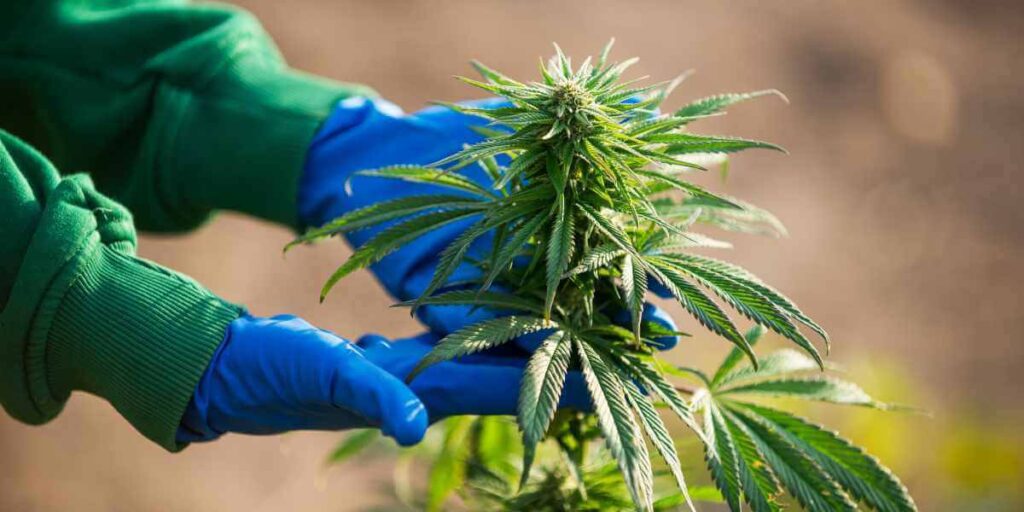
Autoflowering marijuana seeds come from Cannabis ruderalis, a hardy subspecies of cannabis native to Central and Eastern Europe. Unlike photoperiod strains that rely on light cycles (long days for growth and shorter days to flower), autoflowers bloom automatically after a set period, typically 2–4 weeks from germination.
This unique trait makes them popular among growers who want fast results and less dependence on light schedules.
Pros of Autoflowering Marijuana Seeds
Autoflowers have several advantages that make them appealing to many cultivators.
Faster Growth Cycle
One of the biggest draws of autoflowering seeds is their quick turnaround. Most autoflowering strains are ready for harvest in 8–12 weeks, which is significantly faster than photoperiod strains. This allows multiple harvests in a single growing season.
Compact and Stealthy
Autoflowers tend to be smaller and more discreet than traditional cannabis plants. Their compact size makes them ideal for indoor grows, balconies, or small gardens where space is limited.
Easier for Beginners
Because autoflowers don’t depend on specific light cycles to flower, they’re less complicated to manage. New growers can focus on basic care like watering, nutrients, and pest prevention without worrying about flipping light schedules.
Resilient Genetics
With their Cannabis ruderalis lineage, autoflowers are generally hardy and resistant to pests, diseases, and harsher climates. This makes them suitable for growers in regions with shorter summers.
Cons of Autoflowering Marijuana Seeds
While autoflowers are convenient, they’re not without drawbacks.
Lower Yields Compared to Photoperiods
Autoflowers typically produce smaller harvests than photoperiod plants. Their short life cycle means less time to develop large, dense buds.
Limited Training Options
Because autoflowers transition to flowering quickly, growers have less flexibility in using training methods like topping or extensive low-stress training (LST). Aggressive techniques may stunt growth.
Higher Seed Costs
Autoflowering seeds often cost more than photoperiod seeds. Given their smaller yields, this can mean a higher cost per gram of harvested cannabis.
Less Control Over Growth
With photoperiod plants, growers can extend the vegetative stage as long as they want before inducing flowering. Autoflowers, on the other hand, flower on their own schedule, giving less control over plant size and structure.
Best Practices for Growing Autoflowering Marijuana Seeds
To get the most out of autoflowers, it’s important to follow best practices tailored to their unique needs.
Choose Quality Seeds
Not all autoflowers are created equal. Choose seeds from reputable breeders to ensure stable genetics, high germination rates, and desirable traits like potency and flavor.
Use the Right Soil
Autoflowers thrive in light, well-aerated soil that promotes root growth. Avoid heavy soils that retain too much water, as this can stunt growth. A mix with perlite or coco coir works well.
Provide Adequate Light
Even though autoflowers don’t rely on light cycles, they still need plenty of light for maximum yields. Indoor growers should aim for 18–20 hours of light daily. Outdoors, planting in areas with abundant sunlight will ensure healthier plants.
Optimize Nutrients
Autoflowers have a shorter life cycle, so they require nutrients in smaller, more controlled doses. Avoid overfeeding, especially with nitrogen, which can hinder flowering. Opt for balanced nutrient formulas and scale back during the flowering stage.
Minimize Stress
Stress can severely impact autoflowers due to their rapid development. Avoid unnecessary transplanting, rough handling, or aggressive training. Stick to gentle low-stress training (LST) early in the vegetative stage if needed.
Maintain Proper Watering
Consistent watering is key, but overwatering can harm roots. Allow the top layer of soil to dry slightly before watering again. Autoflowers benefit from smaller, more frequent waterings rather than soaking the soil.
Harvest at the Right Time
Autoflowers mature quickly, so monitoring trichomes is crucial. Use a magnifying glass or microscope to check for milky-white trichomes with some amber for optimal potency and flavor.
Common Mistakes to Avoid with Autoflowers
Many new growers make mistakes that can limit their autoflower harvest. Here are some pitfalls to avoid:
- Overfeeding nutrients – Autoflowers need less than photoperiod plants.
- Transplanting late – Start them in their final pots to avoid stress.
- Using poor-quality seeds – Unstable genetics can lead to weak plants.
- Ignoring light quality – While they don’t need strict light cycles, strong light exposure is essential for healthy growth.
Who Should Grow Autoflowering Seeds?
Autoflowering marijuana seeds are perfect for:
- Beginners who want an easier introduction to cultivation.
- Growers with limited space or shorter growing seasons.
- Those looking for faster harvests or multiple grows per year.
- Hobbyists who value convenience and stealth over maximum yields.
However, growers aiming for large, commercial harvests may still prefer photoperiod strains due to their higher yield potential.
Read Also : Cannabis Seeds 101: Choosing the Right Strain for Growing Success
Final Thoughts
Autoflowering marijuana seeds have revolutionized cannabis cultivation by offering speed, simplicity, and resilience. While they may not deliver the massive yields of photoperiod strains, their ease of use and adaptability make them a favorite among beginners and small-scale growers.
By understanding their pros and cons and following best practices, cultivators can enjoy rewarding harvests of potent, high-quality cannabis. Whether you’re just starting out or looking to experiment with something new, autoflowering seeds offer a reliable way to grow cannabis with less hassle and quicker results.