Introduction
The quality of your cannabis harvest begins long before planting—it starts with the seed. No matter how advanced your growing setup or how carefully you manage nutrients and lighting, poor-quality cannabis seeds can limit growth, reduce yields, and introduce unnecessary challenges. For beginners and experienced growers alike, learning how to identify high-quality cannabis seeds is one of the most valuable skills you can develop.
High-quality seeds offer better germination rates, healthier plants, stronger genetics, and more predictable outcomes. On the other hand, weak or immature seeds can result in slow growth, susceptibility to stress, or complete germination failure. This guide breaks down the visual cues, physical characteristics, genetic factors, and purchasing considerations that help distinguish premium cannabis seeds from low-quality ones.
Why Seed Quality Matters More Than Most Growers Realize
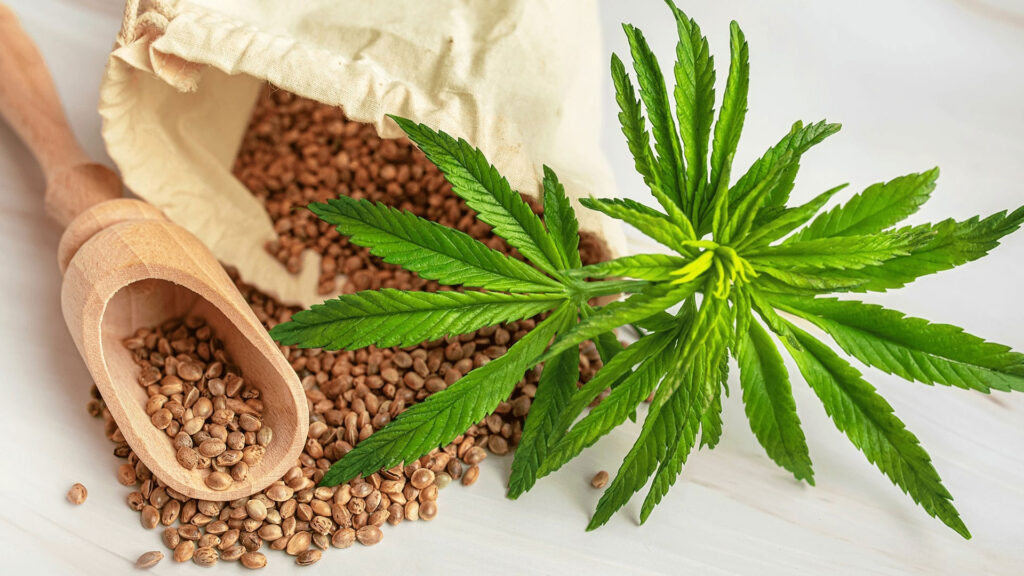
Cannabis seeds carry the full genetic blueprint of the plant. This includes growth patterns, cannabinoid potential, terpene expression, resistance to pests, and overall vigor. A high-quality seed has been properly developed, harvested, and stored, preserving its internal structure and genetic stability.
Low-quality seeds may still germinate, but they often produce plants with inconsistent traits, weak root systems, or reduced resilience to environmental stress. In commercial and home growing alike, starting with strong seeds saves time, money, and effort while increasing the likelihood of a successful grow cycle.
Visual Characteristics of High-Quality Cannabis Seeds
One of the easiest ways to assess seed quality is through visual inspection. While appearance alone cannot guarantee genetic excellence, it provides important clues about maturity and viability.
High-quality cannabis seeds are typically dark in color, ranging from deep brown to gray or black. Many also display natural striping or mottled patterns similar to tiger stripes. These markings indicate a mature seed coat that has fully developed.
Seeds that are pale green, white, or very light brown are often immature. Immature seeds may struggle to germinate or fail entirely because their internal structures have not fully formed.
Surface texture also matters. Quality seeds have a smooth, slightly glossy shell with no cracks or visible damage. A dull, chalky appearance or visible fractures can signal poor handling, aging, or improper storage.
Size and Shape: What to Look For
While cannabis seed size can vary by strain, high-quality seeds generally appear plump and well-formed. They should feel solid rather than hollow when handled gently.
Seeds that are unusually small, flat, or misshapen may lack the internal nutrient reserves needed to support early root and shoot development. A good seed feels dense for its size, which indicates healthy embryonic tissue inside.
That said, size alone does not determine quality. Some strains naturally produce smaller seeds, so shape and firmness should be evaluated alongside other factors.
Firmness and Shell Strength
A simple way to assess seed viability is by gently applying pressure between your fingers. High-quality cannabis seeds have a firm shell that does not crack easily. This toughness protects the seed’s interior and helps regulate moisture absorption during germination.
If a seed cracks or crumbles under light pressure, it is likely old, damaged, or poorly stored. Fragile shells often indicate reduced viability and lower chances of successful sprouting.
However, avoid excessive pressure, as even healthy seeds can be damaged by forceful handling.
The Importance of Maturity in Cannabis Seeds
Seed maturity plays a crucial role in germination success. Mature seeds have completed their development on the plant and contain the necessary enzymes and nutrients to support early growth.
Immature seeds are often lighter in color and softer. They may germinate slowly or unevenly, producing weak seedlings that struggle to establish roots.
Reputable breeders allow seeds to fully mature before harvest, ensuring stronger genetics and higher germination rates. This is one reason why the source of your seeds is just as important as their physical appearance.
Genetics and Seed Lineage
Visual inspection can only reveal so much. Genetic quality is equally critical and cannot be assessed by appearance alone.
High-quality cannabis seeds come from stable genetics that have been carefully bred over multiple generations. Stable genetics produce consistent traits, including predictable plant structure, flowering time, and cannabinoid profiles.
Seeds from unknown or poorly controlled breeding programs may show wide variation, including unexpected plant characteristics or hermaphroditic tendencies. While some variation is natural, excessive inconsistency often points to weak genetic selection.
When evaluating seed quality, knowing the strain’s lineage, breeder reputation, and breeding goals adds an important layer of confidence.
Regular, Feminized, and Autoflower Seeds: Quality Considerations
Seed type does not automatically determine quality, but each category has unique indicators to consider.
High-quality regular seeds should produce vigorous plants with predictable male-to-female ratios based on genetics. Feminized seeds should come from reliable breeding methods that minimize the risk of hermaphroditism. Reputable breeders use stress-controlled techniques rather than chemical shortcuts.
Autoflower seeds should demonstrate strong vigor and rapid early growth, as their lifecycle is shorter and more genetically complex. Poor-quality autoflower seeds often show stunted growth or inconsistent flowering behavior.
Regardless of type, quality is reflected in consistency, germination rate, and breeder transparency.
Germination Rate as a Quality Indicator
One of the clearest indicators of seed quality is germination performance. High-quality cannabis seeds typically show strong, uniform germination within a predictable timeframe when provided with proper conditions.
Seeds that germinate quickly and produce healthy taproots demonstrate good internal viability. In contrast, seeds that take unusually long to sprout or produce weak, thin roots may be old or genetically compromised.
While germination tests are usually done after purchase, breeder-provided germination guarantees or documented success rates can offer insight before buying.
Storage Conditions and Seed Freshness
Even excellent genetics can degrade if seeds are poorly stored. Cannabis seeds are living organisms that require stable conditions to remain viable.
High-quality seeds are stored in cool, dark, and dry environments. Exposure to heat, light, air, or moisture can reduce viability over time. Seeds that have been improperly stored may appear normal but fail to germinate.
Freshness matters, but age alone does not determine quality. Properly stored seeds can remain viable for years, while poorly stored seeds can degrade rapidly.
Packaging and Professional Presentation
Seed packaging can reveal a lot about overall quality standards. Reputable seed suppliers use protective packaging that shields seeds from light and moisture. This may include sealed containers, labeled packets, or humidity-controlled storage.
Clear labeling is another positive sign. High-quality cannabis seeds are typically sold with information about strain name, seed type, breeder, and sometimes batch details. Vague or generic packaging may indicate lower quality control.
While attractive packaging does not guarantee superior genetics, professional presentation often reflects attention to detail throughout the production process.
Red Flags That Signal Low-Quality Cannabis Seeds
Certain warning signs can help you avoid poor-quality seeds. Seeds that are cracked, extremely light, pale in color, or inconsistent within the same batch often indicate problems.
A lack of strain information, no breeder details, or unrealistic claims can also be red flags. Extremely cheap seeds may seem appealing but often come with compromised genetics or poor storage history.
Another common issue is excessive variability. If seeds from the same batch look drastically different in size, color, and shape, quality control may be lacking.
Buying from Reputable Sources
One of the most reliable ways to ensure high-quality cannabis seeds is to purchase from established, reputable seed banks or breeders. Trusted suppliers prioritize genetic stability, proper storage, and transparent information.
Customer reviews, breeder history, and clear policies regarding germination guarantees all help build confidence. While no supplier can guarantee perfect results in every grow, reputable sources consistently deliver seeds that meet quality expectations.
Avoid purchasing seeds from unverified sources where handling and storage conditions are unknown.
Can You Identify Quality Seeds Without Experience?
Even beginners can learn to identify quality cannabis seeds by focusing on key indicators such as color, firmness, and overall appearance. While advanced genetic assessment requires experience, basic visual and physical checks can significantly reduce the risk of poor outcomes.
Over time, growers develop an intuitive sense of seed quality by observing germination patterns and plant performance. Each successful grow adds to your understanding of what strong seeds look and feel like.
Also read: How Long Do Cannabis Seeds Stay Viable? Shelf Life Explained
Final Thoughts
Identifying high-quality cannabis seeds is a foundational skill that directly impacts the success of your grow. From visual cues like color and texture to deeper factors such as genetics, storage, and source reliability, every detail plays a role in determining seed performance.
Strong seeds lead to vigorous plants, predictable growth, and better overall results. By learning what to look for and choosing your seeds carefully, you set yourself up for a smoother, more rewarding cultivation experience.
In cannabis growing, quality truly begins at the seed—and making informed choices at this stage pays off throughout the entire lifecycle of the plant.